Description:
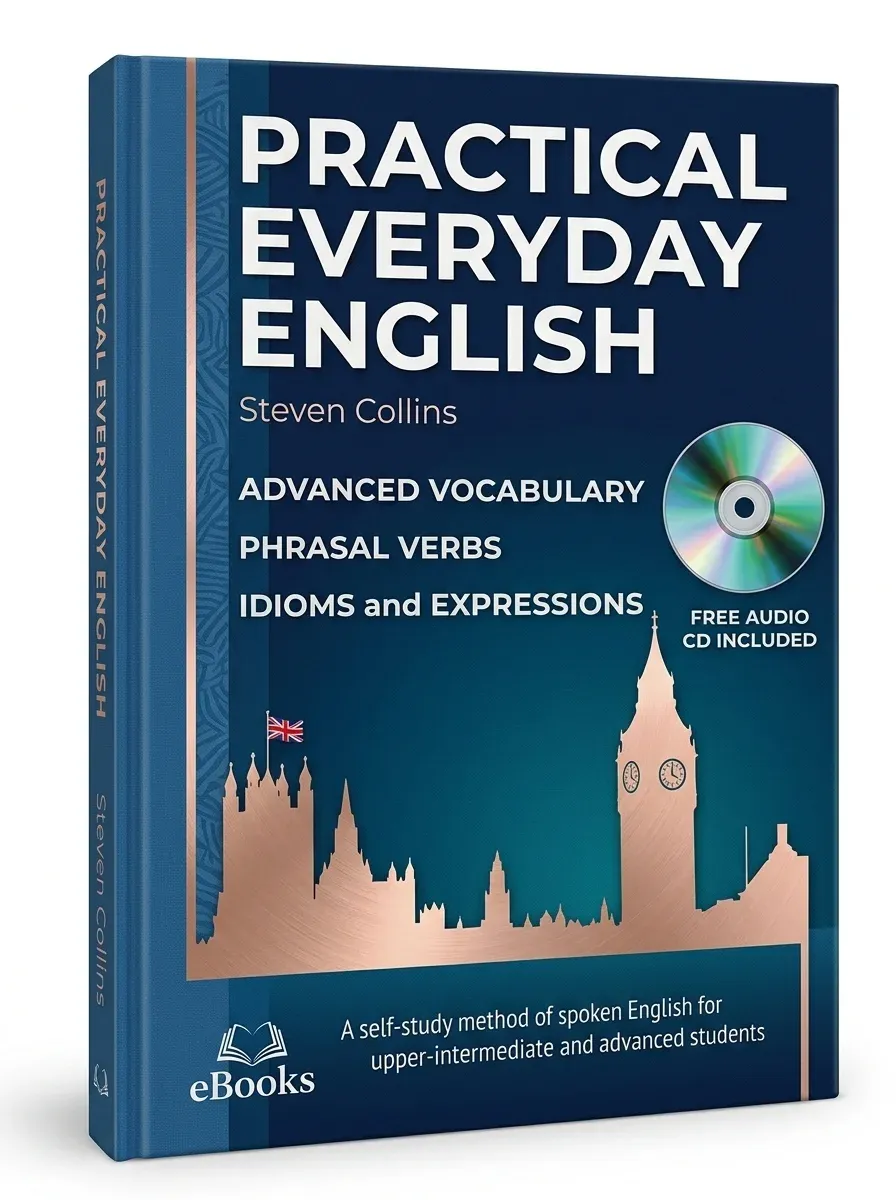
Mastering Practical Everyday English: Advanced Vocabulary, Phrasal Verbs, Idioms and Expressions is the key to sounding fluent and natural. While basic English gets you by, advanced language tools help you express nuance, emotion, and precision. This guide unpacks four essential pillars—vocabulary, phrasal verbs, idioms, and expressions—so you can communicate with confidence in real-world settings.
Why Advanced Vocabulary Elevates Your Speech
Replacing simple words with advanced vocabulary transforms vague statements into vivid messages. Instead of saying “very good,” use “exceptional” or “outstanding.” Instead of “bad,” try “detrimental” or “subpar.” This layer of Practical Everyday English allows you to describe situations accurately—whether at work, while traveling, or during debates. Building a strong advanced vocabulary bank reduces repetition and increases listener engagement, making your speech memorable and authoritative.
Mastering Phrasal Verbs for Natural Flow
Phrasal verbs like “come across,” “run into,” or “put off” are the backbone of Practical Everyday English. Native speakers use them constantly, yet learners often struggle. For example, “I ran into an old friend” sounds far more natural than “I encountered an old friend accidentally.” Learning phrasal verbs in context—through dialogues, stories, or daily logs—helps you internalize their subtle meanings. Focus on high-frequency ones first, and soon you’ll sound less robotic and more fluent.
Using Idioms to Connect Culturally
Idioms add color and relatability to conversations. Phrases like “bite the bullet” (face a hard task) or “spill the beans” (reveal a secret) are staples of Practical Everyday English. They help you bond with native speakers by showing cultural awareness. However, idioms can confuse if used incorrectly. Always learn the meaning, tone (humorous, serious, sarcastic), and proper context. Start with five common idioms per week, and practice them in low-stakes chats before using them professionally.
Expressions That Smooth Social Interactions
Everyday expressions—such as “long time no see,” “I’m beat,” or “no hard feelings”—make conversations fluid and friendly. These are the grease that keeps social wheels turning. Practical Everyday English includes dozens of such expressions for greetings, apologies, and small talk. Unlike formal English, these phrases signal approachability. For instance, saying “I’m tied up right now” is softer than “I am busy.” Mastering expressions helps you navigate meetings, casual lunches, and even customer service calls with ease.
Bringing It All Together in Daily Practice
The ultimate goal of Practical Everyday English: Advanced Vocabulary, Phrasal Verbs, Idioms and Expressions is seamless integration. Dedicate 15 minutes daily to one category: Monday for vocabulary, Tuesday for phrasal verbs, etc. Use apps, journals, or conversation partners to apply what you learn. Record yourself speaking, then compare with native content. Over time, these tools become second nature, boosting your fluency, confidence, and comprehension in any English-speaking environment.