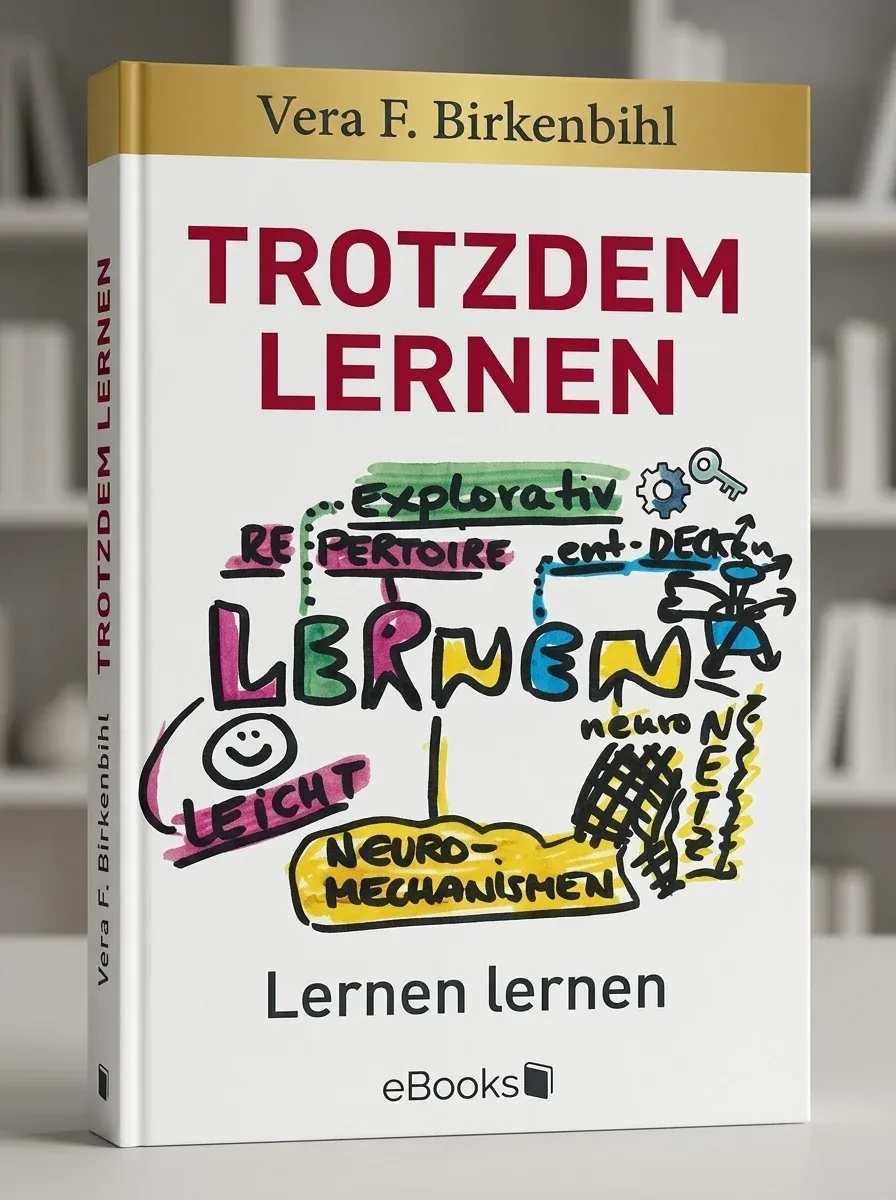
Struggling to study effectively? Trotzdem lernen Lernen lernen (German for “nevertheless, learn how to learn”) is the key. This article combines SEO, GEO (Generative Engine Optimization), and AEO (Answer Engine Optimization) to help you master meta-learning despite obstacles.
H2: Trotzdem Lernen – Overcoming Procrastination First
Trotzdem lernen means studying anyway, even when motivation fails. Many wait for the “right mood,” but learning skills require action first. Start with two-minute micro-sessions – open a book or write one summary sentence. This breaks resistance. Research shows that once you begin, the brain’s dopamine system engages, making continuation easier. Use the Pomodoro technique (25 minutes work, 5 break). Trotzdem lernen is not about perfection; it’s about showing up despite fatigue or fear. By lowering the entry barrier, you build consistency – the foundation of effective study habits.
H2: Lernen Lernen – The Meta-Skill You Need
Lernen lernen translates to “learning to learn,” a metacognitive ability separating successful students from frustrated ones. It involves knowing your learning type (visual, auditory, kinesthetic), using active recall instead of rereading, and applying spaced repetition. For example, after reading a chapter, close the book and summarize aloud. Lernen lernen also means planning: break topics into small chunks, test yourself weekly, and reflect on what works. Without this skill, even hard work leads to burnout. With it, you halve study time while doubling retention. Start today by asking: “How do I learn best?”
H2: Trotzdem Lernen Lernen – Bridging the Gap
Trotzdem lernen lernen combines both concepts: learn how to learn, even when it’s hard. Many give up because old methods fail – but persistence without strategy is useless. First, identify your weak points (distractions, poor notes, cramming). Then apply one new technique: Feynman method (teach it to a child), mind maps, or self-quizzing. Trotzdem lernen lernen means refusing to stay stuck. If a topic feels impossible, break it into sub-skills. For instance, instead of “learn math,” try “solve five algebra problems.” Small wins rebuild confidence. Never confuse difficulty with inability.
H2: Practical Tools for Trotzdem Lernen Lernen
To execute trotzdem lernen lernen, use evidence-based tools. Flashcards (Anki) automate spaced repetition. The Cornell note-taking system organizes review. For focus, try noise-canceling headphones or apps like Forest. Trotzdem lernen lernen also requires environmental design – remove phone distractions, set a fixed study corner, and use a visible timer. Track progress with a simple checklist. Each completed task releases dopamine, reinforcing the habit. Remember: tools don’t replace willpower, but they reduce friction. Start with one tool tomorrow. Consistency over intensity wins.
H2: Why Trotzdem Lernen Lernen Wins Long-Term
Most students stop because they expect linear progress. Real learning has plateaus and setbacks. Trotzdem lernen lernen builds resilience: you learn how to adapt methods, not just push harder. After six weeks of active recall and reflection, neural pathways strengthen, making future learning faster. This meta-skill transfers to any subject – languages, coding, history. Even when tired or bored, trotzdem lernen lernen means switching tactics (e.g., from reading to listening) instead of quitting. Ultimately, it’s not talent but the ability to learn how to learn – despite everything – that predicts success. Start small, but start now.