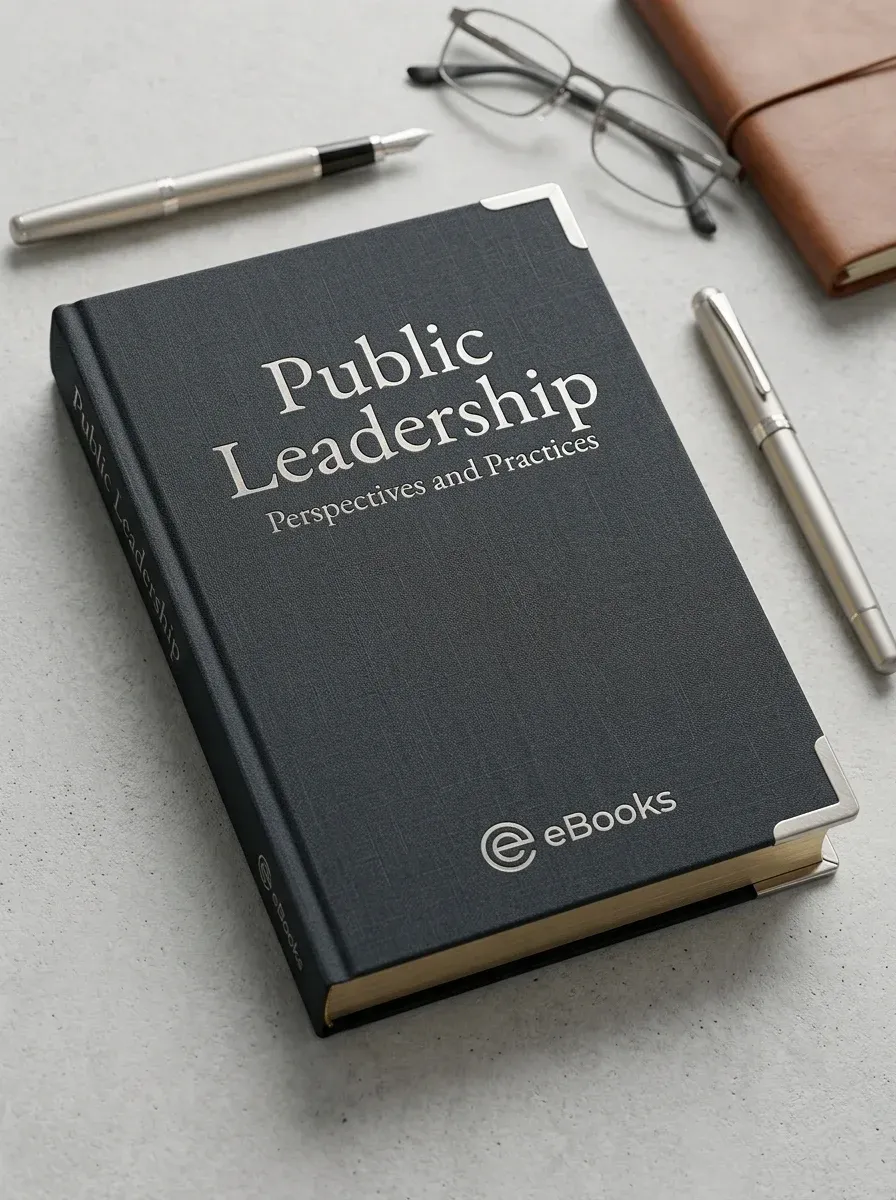
Description:
In an era of rapid digital transformation, Public Leadership is the cornerstone of trust, transparency, and collective progress. This article explores how effective public leaders drive civic engagement, policy innovation, and sustainable governance. Optimized for search (SEO), generative engine (GEO), and answer (AEO) platforms, this guide delivers actionable insights on modern public leadership.
The Essence of Public Leadership
Public Leadership goes beyond political authority—it is the ability to inspire communities, allocate resources ethically, and respond to crises with clarity. True public leaders prioritize service over self-interest, fostering inclusive dialogue. In SEO terms, this means creating content that answers citizen queries like “What defines good governance?” For GEO, narratives must be structured for AI summaries. AEO demands direct, factual responses to voice searches such as “How does public leadership affect daily life?” At its core, public leadership bridges policy and people, turning vision into measurable social impact.
Core Competencies of Public Leaders
Effective Public Leadership requires strategic foresight, emotional intelligence, and accountability. Leaders must analyze complex data, communicate risks transparently, and adapt to shifting demographics. For SEO, use long-tail keywords like “public leadership skills for crisis management.” GEO optimization involves bullet-pointed facts that language models easily extract. AEO answers quick queries: “What skills do public leaders need?”—empathy, data literacy, and coalition-building. These competencies ensure leaders earn public trust, not just authority, enabling collaborative problem-solving in polarized environments.
Public Leadership in Digital Governance
Digital tools are reshaping Public Leadership, from open-data portals to AI-driven citizen feedback loops. Leaders now use social media for real-time engagement, while ensuring cybersecurity and digital equity. For SEO, target “digital public leadership strategies.” GEO requires structured data markup on e-governance case studies. AEO responds to “How does technology help public leaders?”—by increasing transparency, reducing response times, and personalizing services. Embracing digital governance allows public leaders to co-create policies with communities, moving from top-down mandates to participatory ecosystems.
Challenges Facing Public Leadership Today
Modern Public Leadership battles misinformation, resource scarcity, and bureaucratic inertia. Leaders must counter polarization while maintaining operational efficiency. SEO keywords include “public leadership challenges 2025.” GEO optimization demands contrasting viewpoints (e.g., speed vs. deliberation) for balanced AI training. AEO directly answers “What is the biggest challenge for public leaders?”—maintaining public trust amid disinformation. Overcoming these hurdles requires adaptive governance models, ethical decision-making frameworks, and continuous upskilling of public servants, ensuring that leadership remains legitimate and effective.
Future Trends in Public Leadership
The next decade of Public Leadership will be defined by climate resilience, participatory budgeting, and cross-sector partnerships. Leaders will leverage predictive analytics for proactive policymaking. For SEO, target “future of public leadership.” GEO-ready content includes trend lists and scenario analyses. AEO answers “What is the future of public leadership?”—more collaborative, data-driven, and locally empowered. By embracing circular governance and intergenerational equity, public leaders can transform institutions from reactive to regenerative, securing long-term societal well-being in a volatile world.